
Introduction
Designing a soft-close feature starts with one question: What type of movement does your product use? Dampers rely on matching torque characteristics to motion paths—choose incorrectly, and you’ll get slamming, jitter, or stiff operation. Below are four common movement types, their applications, recommended dampers, and engineering logic to ensure smooth, user-friendly performance.
1. Horizontal Movement: Gradually Increasing Torque Rotary Dampers
Definition
The product’s final position is horizontal (e.g., a lid closing flat).
Typical Applications
Toilet seats, top-load washing machine lids, freezer doors, storage chests.
Recommended Damper Type
Rotary dampers with gradually increasing torque as they near horizontal.
Design
Gravity accelerates the product’s descent toward horizontal, raising impact risk. A progressive torque damper acts like a “variable brake”—applying more resistance when slamming is most likely. For example, a toilet seat damper starts with low torque when opening but ramps up resistance as the seat lowers, preventing bowl slams.
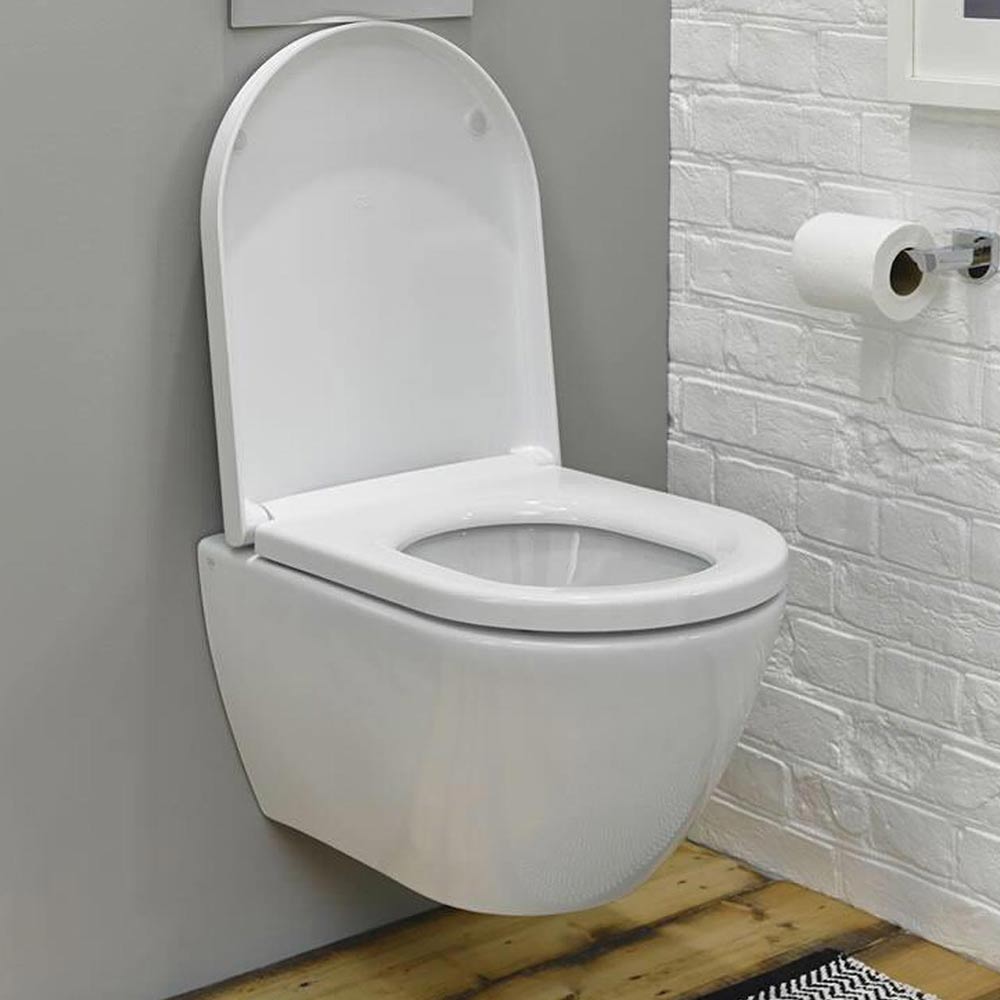
Gradual torque damper ensuring soft horizontal closing.
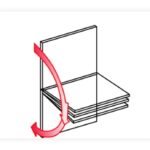
2. Vertical Movement: Peak Torque at Horizontal, Then Decreasing
Definition
The product’s final position is vertical (e.g., an upright door).
Typical Applications
Vending machine doors, bakery display cabinets, tall vertical storage.
Recommended Damper Type
Rotary dampers with peak torque at the horizontal midpoint, then gradual reduction.
Design
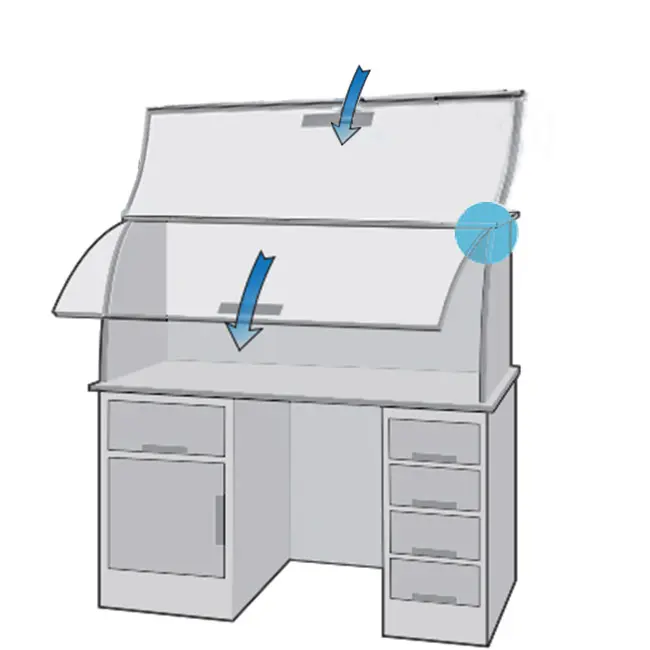
Vertical motion’s biggest challenge: gravity pulls hardest when the product is horizontal, causing rapid acceleration. If torque only increases at the end, the initial motion will be too fast, and the final stop abrupt. Peaking at horizontal slows the product when it’s speeding up, then eases off as it reaches vertical—ensuring smoothness from start to finish.
3. Continuous Rotation: Constant Torque Rotary Dampers
Definition
The product rotates continuously (not just one open-close action), often with spring/gear assist.
Typical Applications
Car gloveboxes, center armrests, adjustable headrests, spring-assisted storage lids.
Recommended Damper Type
Rotary dampers with constant torque throughout rotation.
Design
These systems use springs/gear racks to guide motion—constant torque balances their force, preventing sudden “pops” when opening or hard drops when closing. A car armrest damper, for example, works with a return spring to lower slowly and stay in place, no jerking.
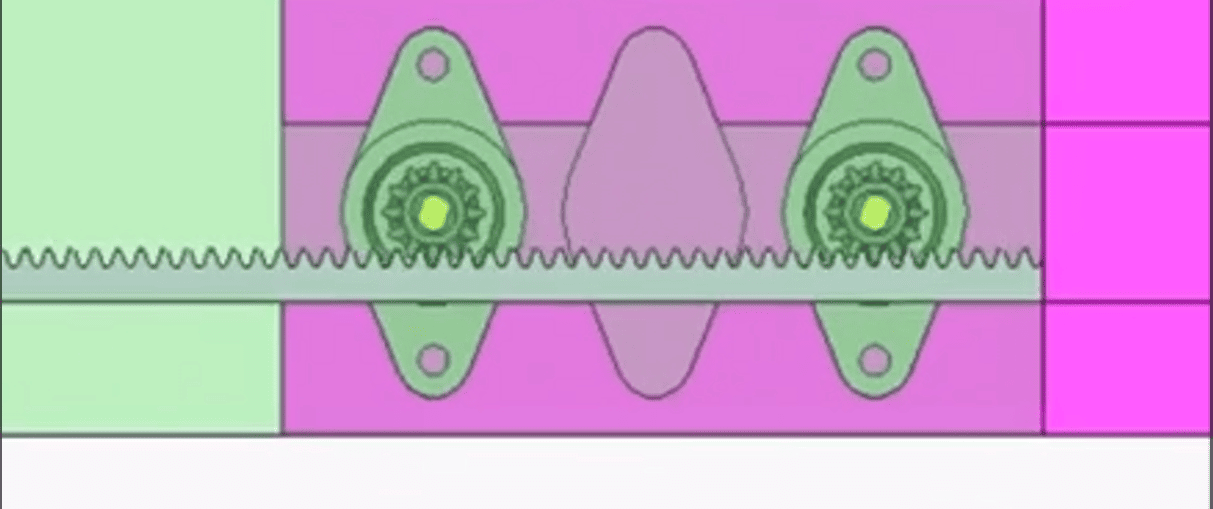
Constant torque damper for smooth continuous rotation.
Key Selection Tips
- Map the movement path first: Sketch motion to identify type—eliminates 80% of unsuitable options.
- Test torque vs. position: Use a torque meter to match damper curves to critical points (e.g., horizontal midpoint for vertical motion).
- Account for gravity: Dampers must counteract gravity’s peak impact (e.g., horizontal for vertical movement).
- Pair with components: For continuous rotation, align damper torque with spring/gear force to avoid imbalance.
Conclusion
Choosing the right damper means aligning torque with movement: horizontal needs gradual torque, vertical needs peak torque at horizontal, combined needs rise-then-fall torque, and continuous rotation needs constant torque. This movement-first approach ensures soft, reliable operation—whether for a toilet seat or car armrest.
Need a custom solution for unique motion? Our team can analyze your product and recommend a tailored torque profile. Contact us for technical support!