Rotary dampers are precision components that control rotational speed by absorbing kinetic energy, reducing vibration, noise, and wear. Variants include rotary shock absorbers (for rail suspension, longer lifespan), speed dampers (for smooth rotation control), and damped stop gates (for vibration-free positioning in precision machining).
Constructed with graded silicone oil blends, rotary dampers are calibrated to produce specific torque values, tailoring resistance and movement speed to application needs. They are available in a diverse range of torque ratings and gear configurations, making them a versatile solution for quiet, controlled motion—from car door handles and garbage can lids to complex industrial machinery.
Applications
Rotary dampers are integral to countless industries, with widespread use in furniture, cabinetry, automotive, and consumer electronics (e.g., slow-opening trays, laptop lids). They are also found in camcorders, cell phones, copiers, washing machine, and toilet seats, where soft-closing or slow-motion functionality is essential.
Across all use cases, reliable rotary dampers protect delicate electronic and mechanical components by preventing damage from abrupt lid/access panel closure. Their ability to create smooth, fluid motion also delivers superior noise suppression, elevating user experience and product durability.
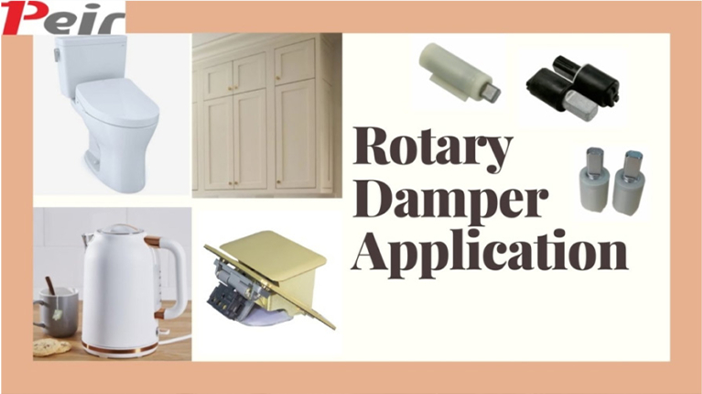
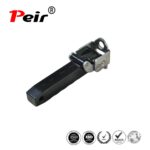
Custom rectangular housing rotary damper designed for narrow furniture hinges.
Rotary Dampers FAQs
What are the key factors to consider when selecting a rotary damper for a specific application?
To ensure optimal performance and compatibility, several critical factors must guide the selection of a rotary damper for your application:
-
Torque Values and Damping Direction
Torque ratings are determined by the silicone oil blend used in the damper and must match the application’s resistance needs. Additionally, select between bi-directional dampers (resistance in clockwise/counterclockwise directions) or uni-directional dampers (resistance in a single direction) based on motion control requirements. -
Environmental Conditions
Temperature significantly impacts damper performance: silicone oil viscosity increases in cold environments (slowing motion) and decreases in heat (speeding motion). Always test dampers in conditions that replicate the end-use environment to ensure consistent operation. -
Application-Specific Requirements
Identify core needs such as noise suppression, smooth motion, or protection of delicate components—each industry (automotive, electronics, aerospace) has unique performance demands that the damper must meet. -
Design and Structural Attributes
A damper’s internal design (e.g., rotating vane geometry, silicone oil viscosity, component clearances) directly influences damping resistance. These structural elements must align with the application’s motion and load requirements. -
Real-World Testing and Evaluation
Test the damper in the actual application or a closely simulated setup to assess key performance metrics (e.g., closing time, acceleration control). This validation ensures the damper delivers the intended effect and integrates seamlessly with existing systems.
What are the different types of rotary dampers and their applications?
Rotary dampers are categorized by their damping direction and core design, with each type optimized for specific use cases across industries:
Types of Rotary Dampers
- Bi-directional Rotary Dampers: Provide resistance in both clockwise and counterclockwise directions, offering versatility for applications requiring full motion control. Examples include the FRT series (rotary dampers) and FDT series (disc dampers).
- Uni-directional Rotary Dampers: Deliver resistance in only one rotational direction, ideal for applications where motion needs to be controlled in a single axis (e.g., soft-closing lids). Examples include the FRN series (rotary dampers) and FDN series (disc dampers).
- Vane Dampers: Utilize rotating vanes within a silicone oil-filled chamber to generate damping resistance, with performance shaped by fluid viscosity and vane design. Available in both bi-directional (FYT series) and uni-directional (FYN series) models.

Industry Applications
- Automotive: Used in car door handles, cup holders, and armrests for smooth, controlled motion and noise reduction.
- Consumer Electronics: Integrated into CD/DVD players, laptops, and cell phones to regulate the opening/closing of trays, lids, and panels—protecting delicate internal components.
- Furniture & Cabinetry: Provide soft-closing functionality for cabinet doors, drawer fronts, and toilet seats, enhancing user experience and preventing structural damage.
- Aerospace: Critical for satellite solar panel deployment systems, where they limit acceleration to prevent panel damage and ensure precise positioning in space.
- Point of Purchase Displays: Optimize pusher tray mechanisms for smooth movement, minimizing merchandise damage and improving display aesthetics.
What is the role of silicone oil in rotary dampers?
Silicone oil is the core functional component of rotary dampers, serving as the primary medium for generating damping resistance and enabling smooth, controlled motion. Its key roles include:
- Resistance Generation: Filling the damper’s internal chamber, silicone oil creates resistance as rotating vanes pass through it—this resistance slows rotational motion and prevents abrupt movement.
- Torque Calibration: The viscosity of silicone oil directly dictates the damper’s torque value. Different grades/blends of silicone oil are used to produce varying torque ratings, allowing precise calibration to match application-specific resistance needs.
- Temperature-Dependent Performance: Silicone oil viscosity shifts with temperature (thicker in cold, thinner in heat), which impacts damper speed. This characteristic must be accounted for during design and testing to ensure consistent performance in the end-use environment.
- Synergy with Internal Components: Silicone oil works in tandem with the damper’s rotor, vanes, and main body to generate controlled braking force. Factors like oil viscosity, rotor-main body clearance, and vane pressure-receiving area collectively determine the damper’s overall performance.
What are the benefits of using rotary dampers in consumer electronics?
Rotary dampers deliver significant functional and user experience benefits when integrated into consumer electronics, making them a staple component in modern device design:
- Smooth, Controlled Motion: The silicone oil-based damping resistance ensures trays, lids, and panels move slowly and evenly—eliminating jerky or abrupt motion in devices like CD/DVD players, laptops, and camcorders.
- Superior Noise Suppression: By mitigating impact and rapid movement, rotary dampers reduce operational noise, a key requirement for consumer electronics where quiet performance is a hallmark of quality.
- Protection of Delicate Components: Regulating the speed and force of moving parts prevents damage to fragile internal electronics, hinges, and plastic components—extending the service life of devices.
- Elevated User Experience: Smooth, quiet operation makes interactions with electronics more intuitive and pleasant, a critical differentiator for high-end consumer products.
- Versatile Compatibility: Rotary dampers are available in compact form factors with a range of torque ratings, making them suitable for nearly all consumer electronics—from small cell phone components to larger laptop and copier mechanisms.
What are the common materials used in the construction of rotary dampers?
Rotary dampers are built with a combination of functional and structural materials, each selected for durability, performance, and compatibility with the damper’s core operation. The key materials include:
- Silicone Oil: The primary functional material, used to fill the damper’s chamber and generate damping resistance. Graded by viscosity to calibrate torque values for different applications.
- Main Body & Rotor: Typically constructed from high-strength, durable plastics (e.g., PA66, POM) or die-cast metal. These materials withstand mechanical stress, resist wear, and provide a rigid housing for internal components—plastic variants are preferred for lightweight consumer applications, while metal is used for heavy-duty industrial/aerospace use.
- Rotating Vanes: Manufactured from wear-resistant plastics or metal alloys, designed to interact seamlessly with silicone oil and maintain consistent resistance over thousands of operating cycles. Vane material is matched to the damper’s torque rating and application load.
- Sealing Components (O-rings, Caps, Gaskets): Made from elastomers (e.g., NBR, silicone rubber) that provide a hermetic seal to prevent silicone oil leakage. These materials also resist temperature fluctuations and environmental wear, ensuring long-term damper integrity.
- Shafts & Mounting Hardware: Constructed from steel or stainless steel for strength and corrosion resistance, these components connect the damper to the host equipment and transmit rotational motion to the internal vane assembly.