How It Works, Installation Tips & Applications
Meta Description: Learn about damping hinges—their definition, working principle, installation best practices, and common uses. Discover how hydraulic/viscous technology delivers soft, quiet closing for furniture, automotive, and medical applications.
Introduction
Damping hinges are game-changers in motion control, transforming abrupt, noisy closures of doors, lids, and panels into smooth, silent operations. Unlike standard hinges that rely on friction alone, these specialized components integrate hydraulic or viscous fluid damping to slow movement, reduce impact, and enhance safety. Whether in kitchen cabinets, automotive compartments, or medical devices, damping hinges elevate user experience while protecting equipment from wear. Below, we break down their core functionality, installation guidelines, and key applications.
What Is a Damping Hinge?
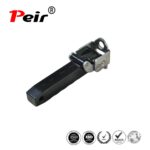
A damping hinge is a mechanical component designed to control the speed of rotational motion (e.g., door/lid closing) using a built-in cushioning mechanism. Unlike torque hinges (which hold objects in specific positions), damping hinges focus solely on decelerating movement to prevent slamming, minimize noise, and reduce stress on the hinge and connected structure.
Key defining features:
- Uses hydraulic or viscous fluid as the damping medium (vs. dry friction in standard hinges).
- Prioritizes soft, controlled closing over position retention.
- Enhances safety (prevents pinched fingers) and durability (reduces impact wear).
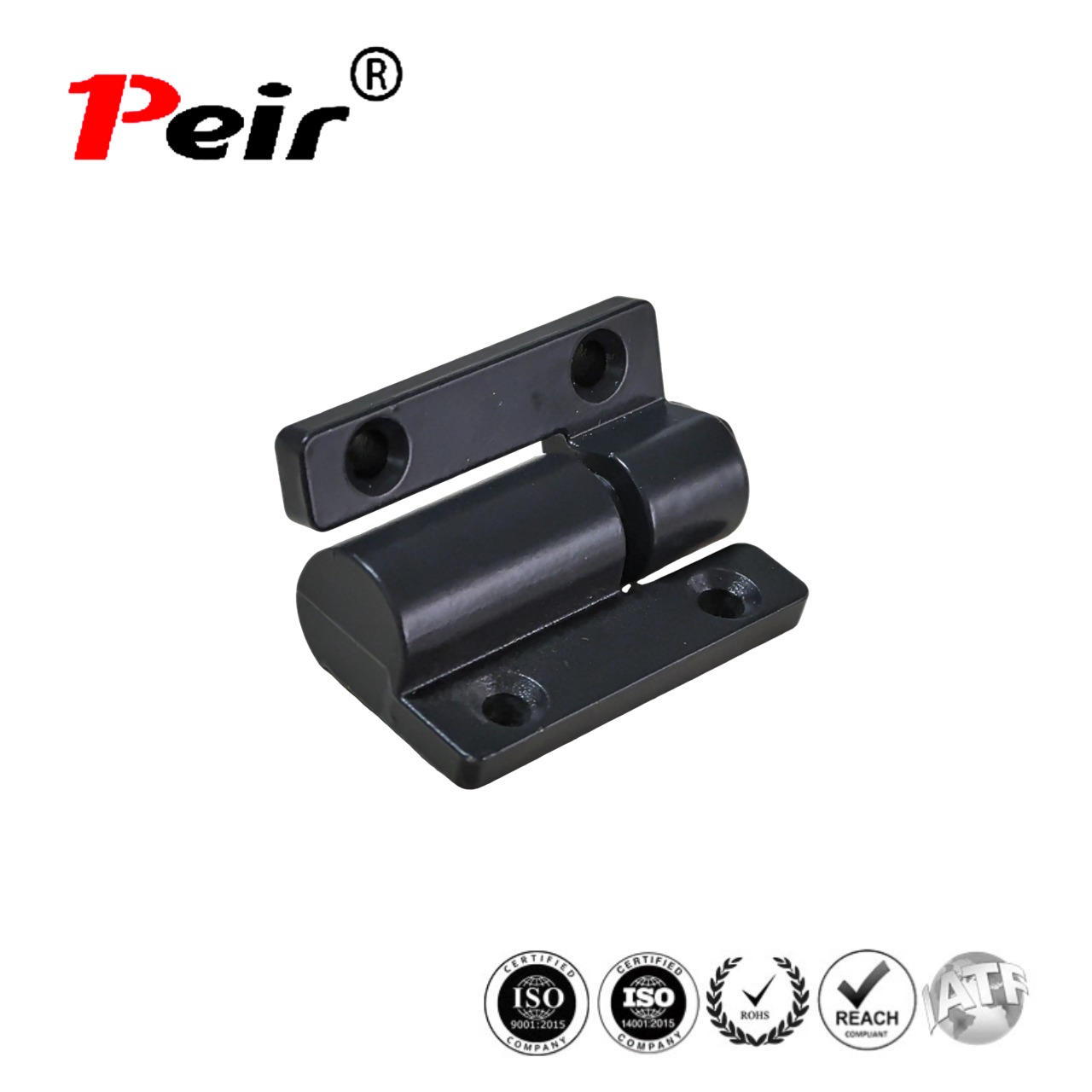
Exploded view of a damping hinge, showing the piston, fluid chamber, and casing.
How Does a Damping Hinge Work?
The functionality of a damping hinge hinges on fluid resistance—here’s a step-by-step breakdown:
- Core Components: Most damping hinges consist of a piston, sealed casing, and damping medium (silicone oil, hydraulic fluid, or viscous gel).
- Motion Trigger: When the door/lid closes, the hinge’s rotating mechanism pushes the piston into the fluid-filled chamber.
- Fluid Resistance: The piston forces fluid through a narrow orifice (small opening) in the casing. This restriction creates hydraulic/viscous resistance, which slows the piston’s movement.
- Controlled Deceleration: The resistance builds gradually, especially as the door/lid nears full closure (typically at 60° or less from the closed position). Even if the user pushes the door forcefully, the fluid damps the motion to a gentle close.
- Equilibrium Achievement: The hinge allows the door/lid to settle into the closed position without impact, eliminating slamming and noise.
Installation Tips for Optimal Performance
Proper installation ensures damping hinges work as intended—follow these guidelines:
1. Check Compatibility First
- Match the hinge to the weight and size of your door/lid (e.g., a heavy kitchen cabinet door needs a higher-torque damping hinge than a lightweight jewelry box lid).
- Verify hinge dimensions (e.g., hole spacing, thickness) align with your product’s mounting points.
2. Position for Ideal Damping Strength
- Damping force varies with placement: Mounting the hinge closer to the door’s edge increases damping strength; mounting closer to the pivot reduces it.
- For large doors, use two damping hinges (one on each side) to distribute force evenly.
3. Test Before Final Installation
- Use tape or temporary fasteners to test the hinge’s position. A 1–2mm adjustment can significantly impact closing smoothness.
- Ensure the hinge starts damping at the correct angle (typically 70° from closed) and closes in 2–5 seconds (adjust position if too fast/slow).
4. Follow Hardware & Drilling Best Practices
- Use the manufacturer-recommended screws (too long/short can damage the hinge or door).
- Drill pilot holes for wood-based products to avoid splitting the material.
- For built-in dampers (pre-installed in furniture hinges), snap or screw into the designated slots per the user manual.
5. Adhere to Environmental & Safety Guidelines
- Check the hinge’s temperature range (most work in 10–60°C) and avoid extreme conditions (e.g., direct sunlight for plastic-body hinges).
- For heavy doors (e.g., industrial enclosures) or specialized applications (e.g., medical devices), opt for professional installation.
6. Always Read the Manufacturer’s Guide
- Follow brand-specific instructions for torque settings, mounting orientation (horizontal/vertical), and maintenance (e.g., lubrication if required).
Common Applications of Damping Hinges
Damping hinges are versatile, with uses across consumer, automotive, medical, and industrial sectors:
1. Furniture & Home Appliances
- Kitchen/bathroom cabinet doors, drawer fronts, and wardrobe lids.
- Toilet seats, fold-down desk panels, and storage chest lids.
- Benefit: Eliminates slamming, reduces noise in living spaces, and protects cabinet finishes.
2. Automotive
- Glove boxes, armrests, cup holder covers, and trunk lids.
- Benefit: Enhances cabin comfort with silent operation and prevents component damage from road vibrations.
3. Medical Devices
- Hospital bed side rails, medication cabinet doors, and diagnostic equipment panels.
- Benefit: Prevents sudden movements that could discomfort patients and ensures gentle, predictable operation for caregivers.
4. Industrial & Aerospace
- Industrial machine access panels, aerospace enclosure doors, and control panel covers.
- Benefit: Reduces impact stress on heavy-duty equipment and ensures safe operation in high-precision environments.

Top: Kitchen cabinet hinge; Middle: Car armrest hinge; Bottom: Medical cabinet hinge.
Why Choose a Damping Hinge?
- Safety: Prevents pinched fingers (critical for families with children or elderly users).
- Durability: Reduces impact wear on hinges, doors, and frames—extending product lifespan.
- User Experience: Delivers smooth, silent operation that elevates perceived product quality.
- Versatility: Available in compact, heavy-duty, one-way, or bi-directional variants to fit diverse needs.
Conclusion
Damping hinges are essential for products where controlled, quiet motion matters. By leveraging hydraulic or viscous fluid technology, they solve the common pain points of slamming doors and abrupt closures—enhancing safety, durability, and user satisfaction. With proper installation (guided by compatibility checks, position testing, and manufacturer instructions), damping hinges integrate seamlessly into furniture, automotive, medical, and industrial products. Whether you’re upgrading a kitchen cabinet or designing a medical device, a well-chosen damping hinge transforms ordinary motion into a refined experience.