
PR-T036-Two way(Φ14.9mm)
PR-T036 Product Description
-
Product category:
Gear Damper
-
Product Model:
PR-T036
-
quality warranty (RoHS& REACH certification):
3-year quality guarantee
Industrial cartography
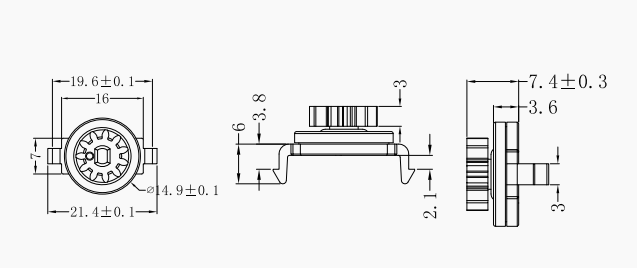
Graph
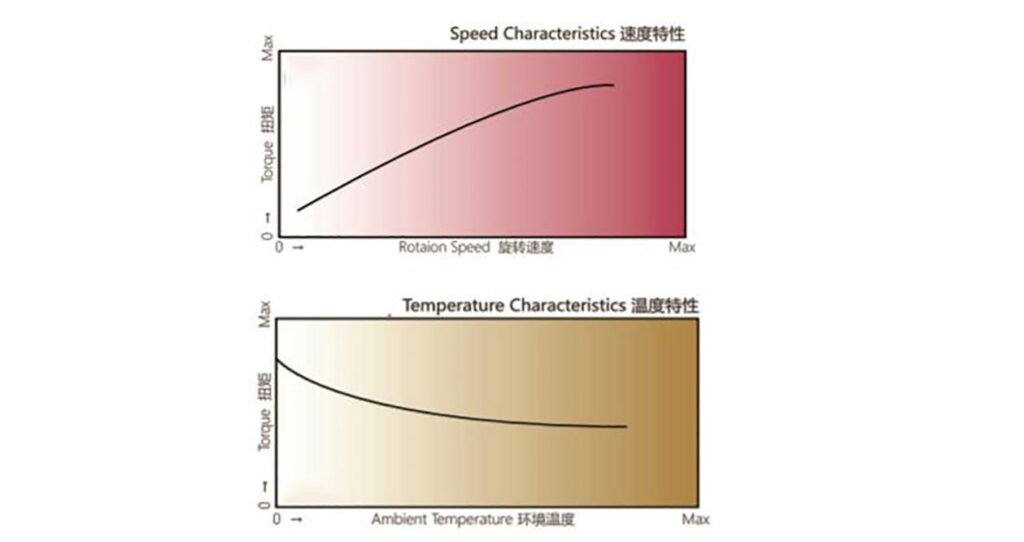
Product Details
| Model No. | PR-T036 |
| Torque Range | 30-300GF.CM |
| Operation Angle | Two-way 360° |
| Minimum Working Angle | / |
| Use Temperature | -5°~50°C |
| Body Material | POM |
| Rotary Shaft Material | POM |
| Use Oil | Silicone oil |
| Lifted Open Force | N/A |
| Life cycle | 30000 time |
Products Advantages
Import the damping oil from Japan(Brand name: Shinetsu), make sure damping performance to be stable and long lifetime.
Our dampers lifecycles can reach 50,000 times(some models 30,000 times).
100% torque inspection before shippment.
Free samples available(delivery fee chargeable).
FAQ
The PR-T036A is a bidirectional damper intended for rotating mechanisms that need damping torque in both directions. It can be considered for compact hinged or rotating components where smoother, more controlled movement is desired whether the part is opened or closed. Confirm the model against the latest drawing and the real operating conditions before final selection.
Use the actual force acting on the rotation axis as the starting point. For a gravity-loaded part, calculate T = m × 9.81 × r, where r is the pivot-to-centre-of-gravity distance. Evaluate the maximum load moment at multiple positions through the entire stroke and in both directions. For a mechanism with a spring or counterbalance, calculate the net moment after that assistance or opposing force has been included. Validate the final torque on a physical sample assembly.
Confirm that the product needs bidirectional damping and identify the desired resistance profile for both opening and closing. Then compare torque, working angle, shaft and housing layout, mounting interface, available space, speed, temperature and cycle target with the current technical drawing. A representative mechanism test is the best way to verify motion feel and prevent over- or under-damping.