A reliable damper recommendation requires five groups of information: motion and user-experience goals, damping performance, mechanical fit, durability and materials, plus commercial or compliance constraints.
Q1. What application details should be provided first?
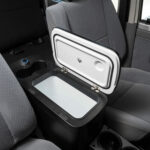
Describe what moves, how it moves, and what the user should feel. State whether the component is a lid, door, drawer assist, control, or another mechanism; identify the desired direction of damping; and explain whether the goal is soft closing, controlled opening, vibration reduction, or position control. Include the actual operating environment, such as indoor furniture, a humid appliance, or a vehicle interior.
Q2. Which performance data are essential?
Specify whether damping is needed in one direction or both, the target torque at a stated speed, the maximum resistance allowed in the free direction, the operating RPM or angular speed range, and the working angle. A torque value without its test speed is incomplete because viscous damping can change with speed.
Q3. What integration data prevents rework?
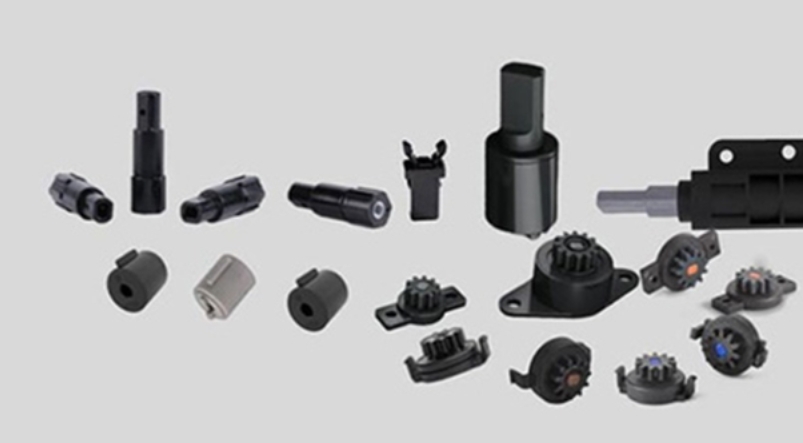
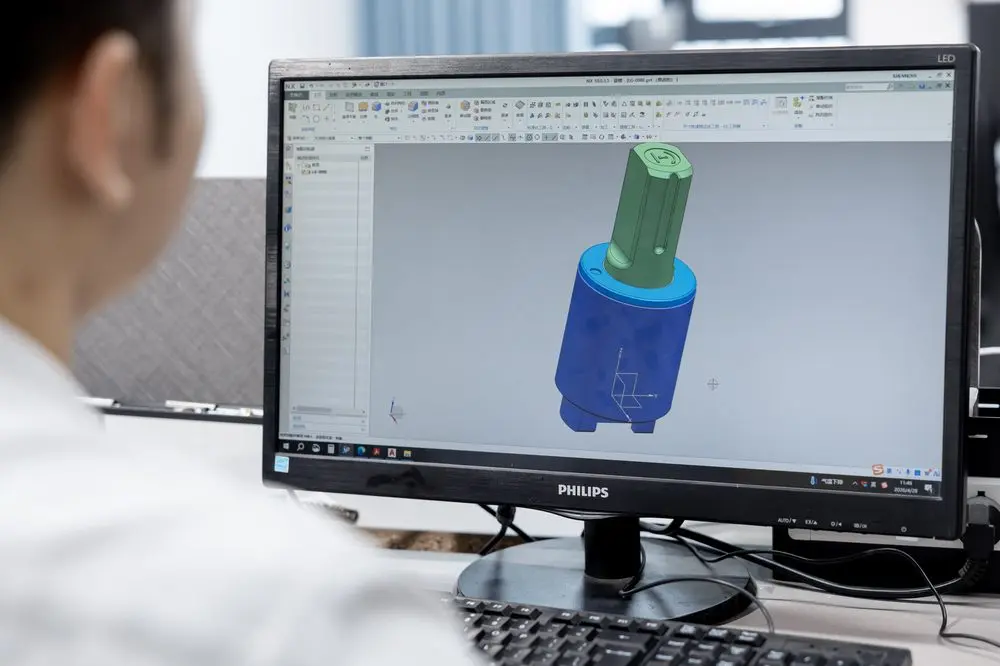
Provide the available length, width, and height; shaft or hub geometry; mounting orientation; clearances during motion; target cycle life; material restrictions; temperature or corrosion exposure; and any required certifications. Drawings, photos, CAD data, and a short video of the mechanism can reduce the risk of misinterpretation.
Clear conclusion: The fastest path to a correct damper is a complete input package, not a product name or a target torque alone. Share motion, performance, fit, life, environment, and project constraints before requesting samples.
FAQ candidates:
| Question | Concise answer |
|---|---|
| What is the minimum information for a damper quotation? | Provide the application, damping direction, target torque and speed, working angle, installation space, expected cycle life, and operating environment. |
| Why is test speed needed with torque? | Viscous damper torque can vary with rotational speed, so a torque value needs a stated test condition. |
| Can photos or a video help with selection? | Yes. Visual material can clarify motion path, interference risks, mounting orientation, and component geometry. |