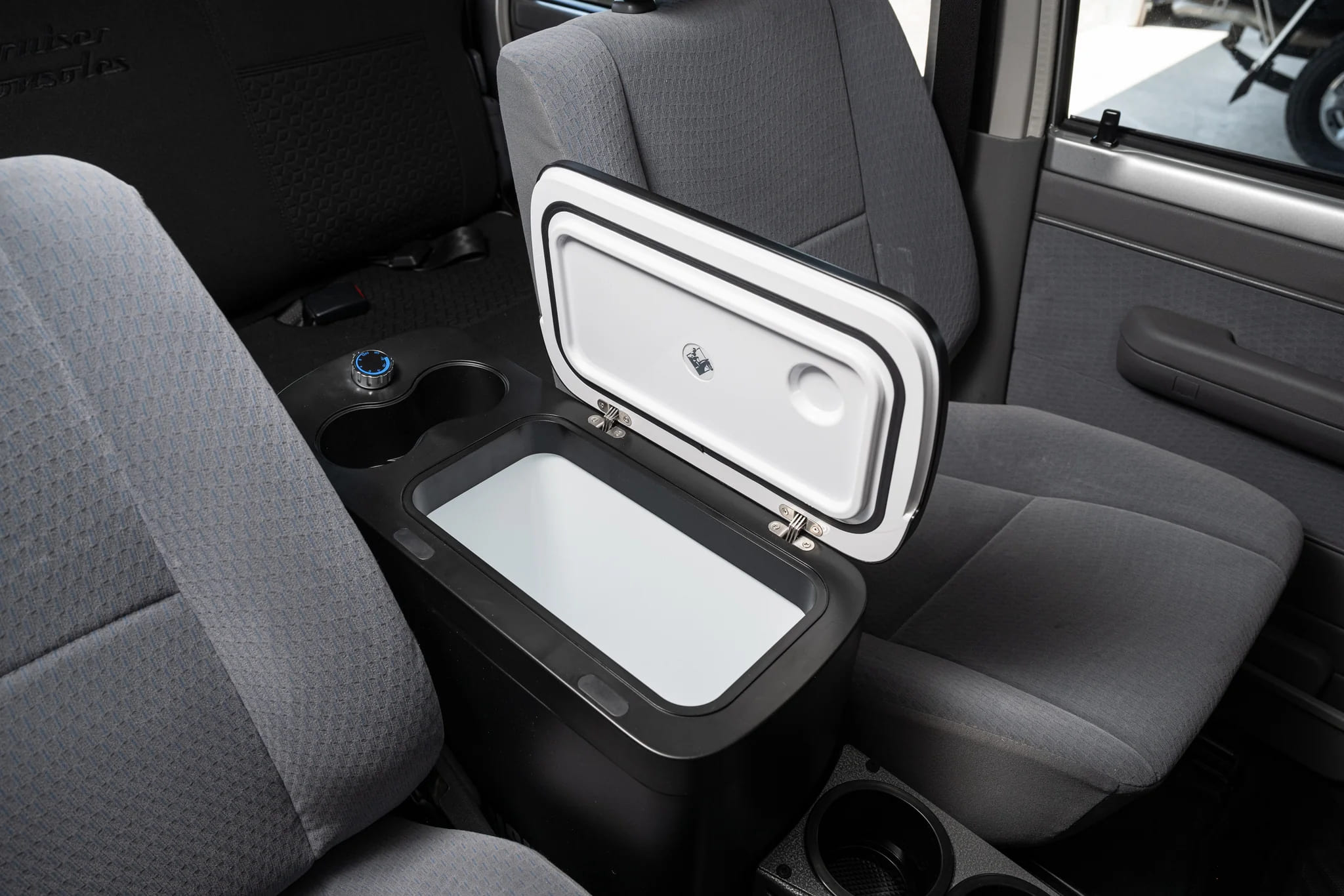
First identify the refrigerator structure and installation position, then specify the damper around actual door load, opening path, temperature exposure, vibration, noise, corrosion risk, packaging space, and expected operating cycles.
Q1. Why does refrigerator type matter?
A compact portable unit, a compressor-based unit, and an integrated vehicle refrigerator can have very different door weights, hinge layouts, cooling temperatures, packaging limits, and use patterns. A damper that works in a light portable lid may not control a heavier or gear-assisted door. Treat the refrigerator architecture as the first selection input.
Q2. Which performance targets should be agreed?
Define the working angle, target closing time, damping direction, allowable noise, operating temperature range, vibration exposure, and durability target. Check whether a vehicle-mounted door will see road vibration, frequent opening, or humid and salty conditions. These conditions can change both the mechanical interface and the material requirements.
Q3. How should the final selection be validated?
Test the complete door and hinge mechanism at temperature extremes and under representative vibration where relevant. Measure motion time, torque consistency, noise, free-direction behavior, leakage, and corrosion resistance. Verify that the damper does not cause sealing, latch engagement, or service-access problems.
Clear conclusion: For car-fridge applications, a correct damper is defined by the complete door system and vehicle environment—not by torque alone. Approve a model only after temperature, vibration, motion, noise, and packaging tests in the real product.
FAQ candidates:
| Question | Concise answer |
|---|---|
| Can one damper design fit every car fridge? | No. Door load, hinge geometry, cooling method, installation location, and vehicle environment can create different requirements. |
| What should be tested for a vehicle refrigerator damper? | Test motion time, temperature performance, vibration tolerance, noise, cycle durability, leakage, corrosion resistance, and door/latch compatibility. |
| Why is vibration relevant to damper selection? | Vehicle vibration can affect mounting integrity, noise, and the long-term consistency of the complete door mechanism. |