
Yes. Temperature changes the viscosity of the damping medium, and rotational speed can change the resistance developed by a viscous damper. Select and validate torque over the full operating range, not only at a room-temperature rating.
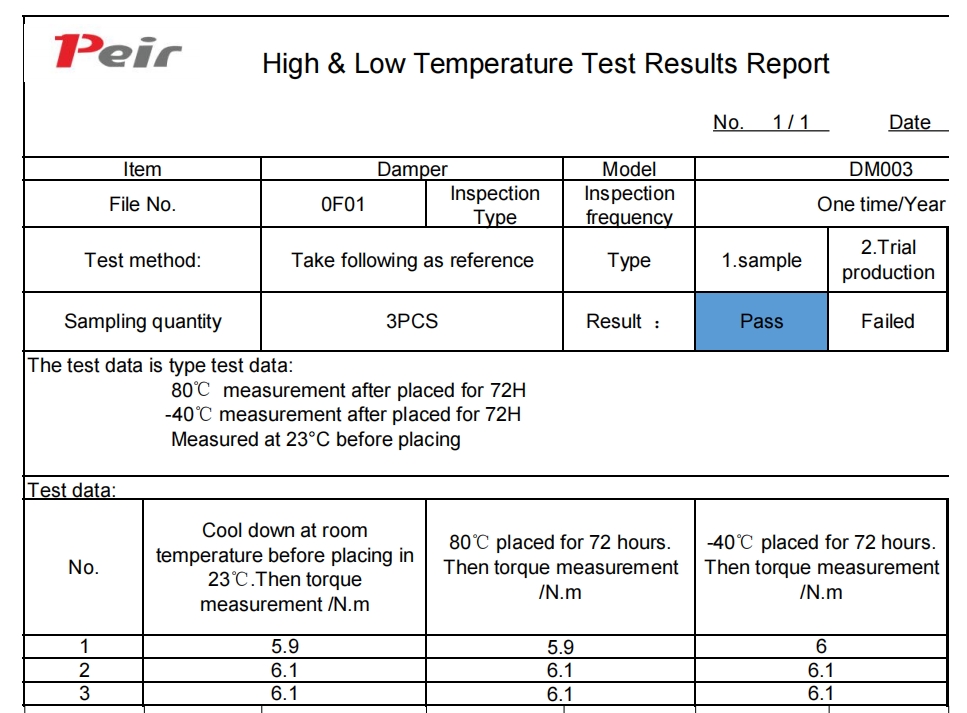
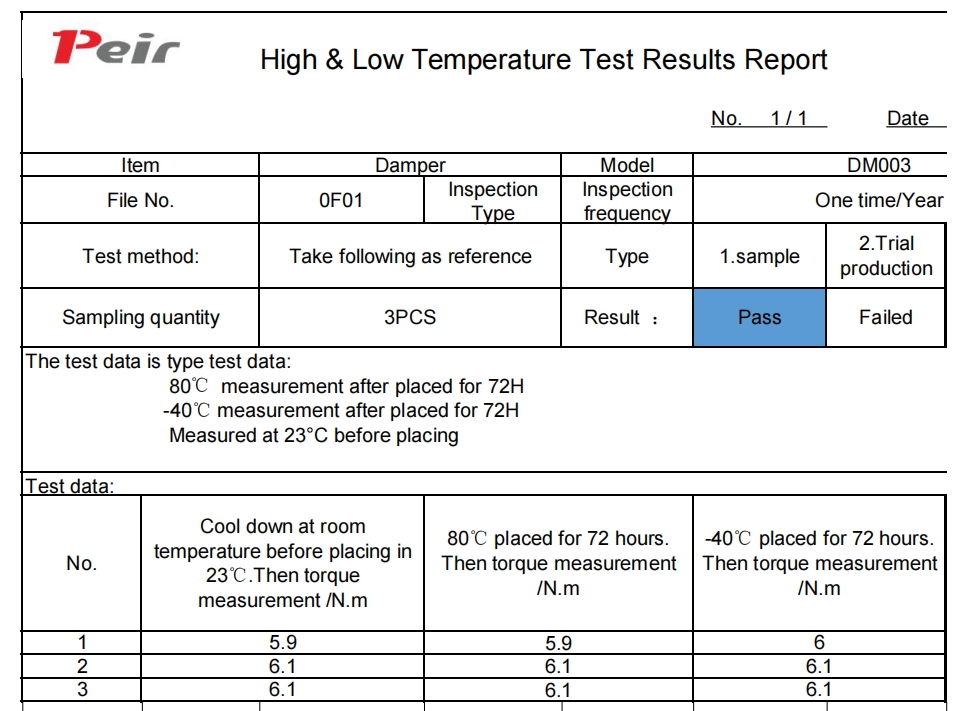
Q1. What happens when temperature changes?
In a viscous damper, higher temperature generally lowers fluid viscosity and can reduce damping torque. Lower temperature generally raises viscosity and can make the motion feel stiffer. The exact change depends on the damper design and fluid, so the product data sheet and the supplier’s correction data should be used for the specific model.
Q2. Why does RPM matter?
A damper is typically rated at a defined rotational speed. If the actual mechanism moves faster or slower than that condition, its measured torque and closing time can change. At high speed, heat generation and non-linear fluid behavior may also affect repeatability. Therefore, specify the normal and worst-case speed range rather than a single nominal RPM.
Q3. How should engineers validate an application?
Test torque and motion time at the coldest, hottest, slowest, and fastest expected operating conditions. Define acceptable motion behavior before testing, and compare the assembled product against that requirement. If the application has a wide temperature range, ask for a suitable fluid or a customized torque target.
Clear conclusion: A room-temperature torque value is only a reference point. For dependable performance, select and test the damper against both the temperature window and the real RPM range of the finished product.
FAQ candidates:
| Question | Concise answer |
|---|---|
| Does cold weather make a rotary damper stiffer? | It often can, because lower temperature generally increases the viscosity of the damping medium. |
| Is rated torque valid at every speed? | No. Rated torque is linked to a test condition; verify performance at the actual operating speed range. |
| What should I send to a supplier for temperature-sensitive applications? | Share the minimum and maximum temperature, the speed range, target motion time, and any required torque tolerance. |