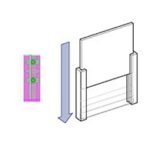
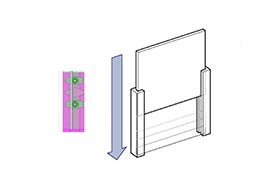
For furniture, select a rotary damper by checking torque, operating angle, installation space, mounting direction, environmental exposure, noise, cycle life, and whether damping is needed in one or both directions.
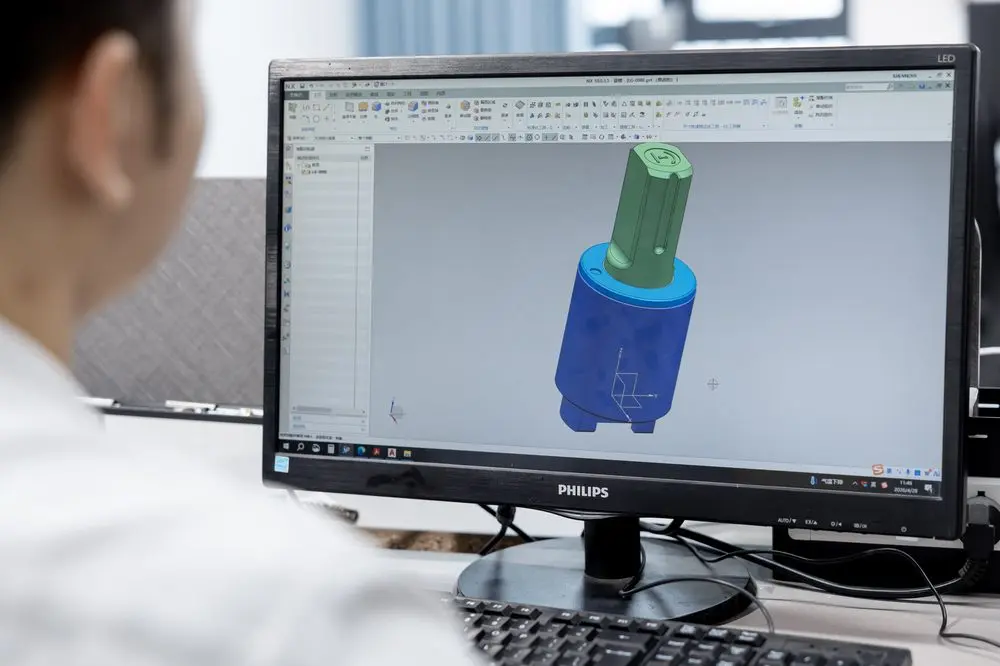
Q1. What is the first calculation?
Estimate the gravity-driven torque created by the moving door, lid, or flap. The weight, center-of-gravity location, pivot geometry, and opening angle all matter. This estimate narrows the sample range, but the final torque must be confirmed in the installed furniture because hinges, friction, and counterbalances change the motion.
Q2. What fit issues are most often missed?
Measure the installed envelope, not only the empty cavity. Check the damper’s shaft, housing, screws, bracket, and any swept area during motion. The permitted rotation range should exceed the furniture’s working range with an appropriate mechanical margin, without causing the damper or hinge to hit nearby parts.
Q3. How do room conditions affect the specification?
Kitchen and bathroom furniture may need corrosion-resistant materials and sealed designs because of humidity, steam, and cleaning exposure. High-use furniture should have an agreed cycle-life target. Quiet operation should be assessed in the assembled furniture, since hinge play and panel contact can add noise beyond the damper itself.
Clear conclusion: A good furniture damper is not merely small enough to fit. It must deliver the right torque across the usable angle, mount without interference, and remain quiet and durable in the furniture’s actual environment.
FAQ candidates:
| Question | Concise answer |
|---|---|
| Which factors matter most for a furniture damper? | Torque, rotation angle, installation envelope, mounting method, noise, environmental resistance, and expected cycle life. |
| Do bathroom cabinets need a different damper specification? | They may. Humidity and corrosion exposure should be assessed when selecting materials and sealing. |
| Is a torque calculation enough to select a furniture damper? | No. Use it to choose samples, then verify closing motion and interference in the complete furniture assembly. |