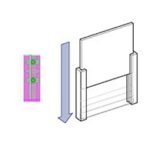

Rotary dampers can reduce the risk created by sudden, uncontrolled movement of appliance doors, lids, and panels by slowing their motion. They support a wider safety design; they do not replace guards, latches, sensors, or applicable safety compliance measures.
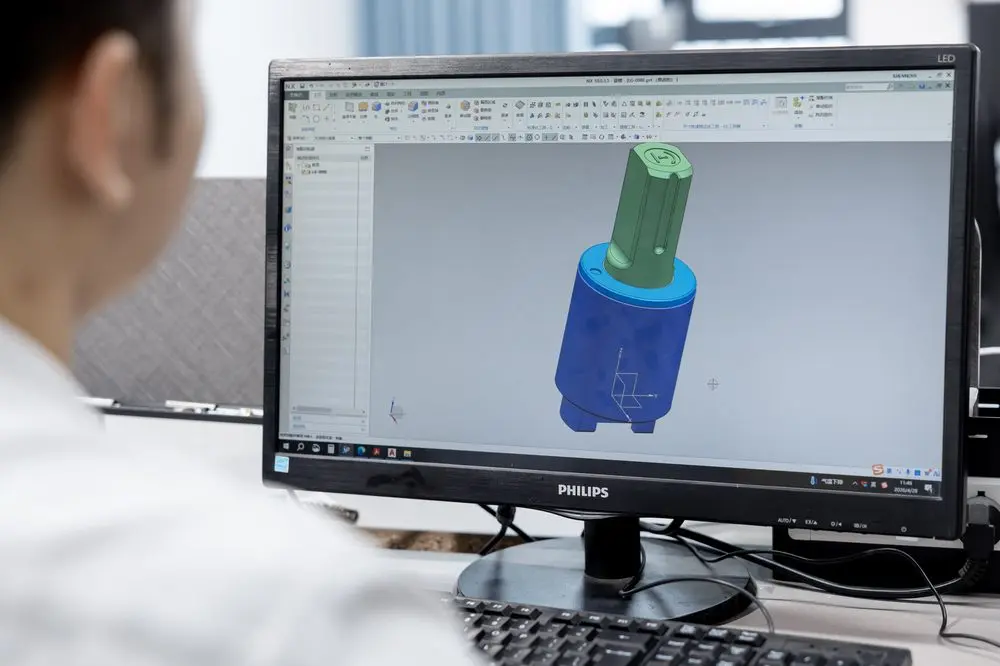
Q1. Where can controlled motion help?
A damper can make a refrigerator compartment door, washing machine lid, appliance cover, or access panel move more predictably. By reducing free-fall and impact, it can lower the chance of abrupt closure, hinge shock, noise, and repeated damage to adjacent components. The actual safety benefit depends on the complete product geometry and the rest of the protection system.
Q2. What performance should be specified?
Set an acceptable closing or opening time, maximum operating effort, permitted overshoot, and required torque range under expected load and temperature conditions. Also identify whether damping is needed in one direction only or in both directions. The target should be validated with the actual appliance panel, hinge, latch, and user interaction.
Q3. Which reliability tests support the design?
Use endurance cycling to check that motion remains controlled over product life. Add temperature, vibration, and corrosion tests when the appliance environment requires them. Inspect for torque drift, leakage, unusual noise, cracking, and changes in closing behavior after testing.
Clear conclusion: Rotary damping is a useful motion-control layer in appliance safety design because it makes moving parts more predictable. Treat it as one verified element of a complete safety system, not as a stand-alone safety claim.
FAQ candidates:
| Question | Concise answer |
|---|---|
| Can a rotary damper prevent appliance-door injuries by itself? | No. It can slow uncontrolled motion, but it does not replace the product’s required guards, latches, sensors, or safety design measures. |
| Which appliance parts commonly benefit from damping? | Hinged doors, lids, covers, and access panels that could otherwise close or move abruptly are common candidates. |
| How should an appliance damper be validated? | Test motion time, operating effort, durability, temperature behavior, noise, and leakage in the complete appliance mechanism. |