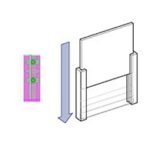
A complete test plan should verify functional torque and motion time, endurance, temperature performance, leakage, mechanical integrity, corrosion resistance when relevant, and any customer-specific conditions.
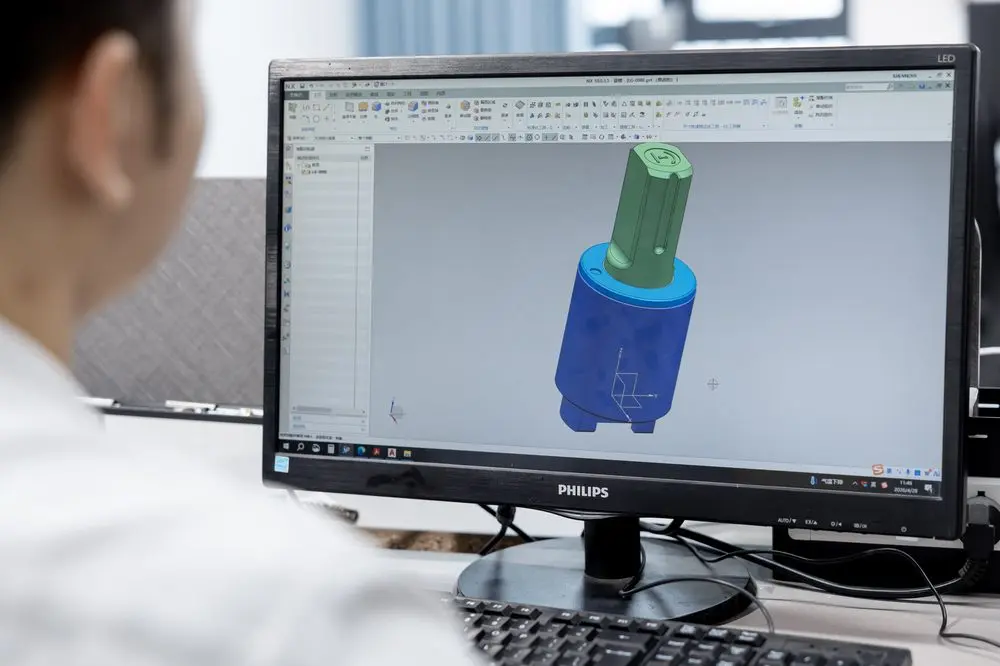
Q1. Which tests prove basic function?
Measure damping torque at the agreed speed and direction, and measure motion or drop time using a fixture that represents the product. Define the test angle, temperature, mounting orientation, test speed, sample quantity, and acceptance window in advance. Results without stated conditions are difficult to compare.
Q2. How should durability be evaluated?
Cycle the damper through the actual operating range and speed for the agreed number of cycles. After cycling, recheck torque, motion time, smoothness, and leakage. The endurance target should reflect the product’s expected usage, not a generic number selected without a field-use model.
Q3. Which environmental checks are needed?
Test high and low temperature where the product can experience thermal variation. Add temperature cycling, humidity, detergent exposure, vibration, or salt spray only when those conditions are relevant to the product’s operating environment and materials. Verify that the damper remains functional after exposure, not only that it looks undamaged.
Clear conclusion: A damper test plan is useful only when its conditions represent the final product. Agree measurable pre- and post-test requirements for torque, time, leakage, and appearance before samples are evaluated.
FAQ candidates:
| Question | Concise answer |
|---|---|
| What are the core rotary damper tests? | Torque, motion time, endurance cycling, temperature exposure, leakage, and mechanical inspection are core starting points. |
| Should all dampers receive salt spray testing? | No. Add corrosion testing when the materials and operating environment make corrosion a meaningful risk. |
| What should be measured after endurance cycling? | Recheck torque, motion time, smoothness, leakage, and visible damage against pre-agreed limits. |