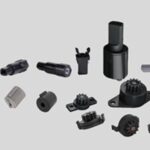
Customize a rotary damper when a standard model cannot meet a critical requirement for fit, shaft interface, torque behavior, directionality, speed, integration, or operating environment. Use a standard model first whenever it can validate the mechanism quickly.
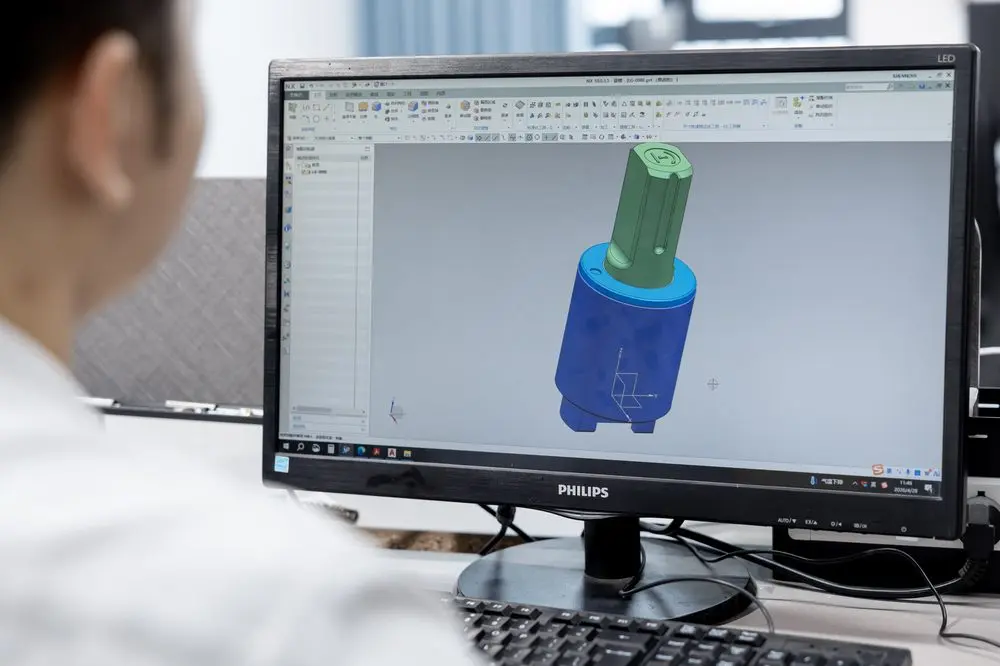
Q1. Which elements can be customized?
Common customization areas include the housing shape and size, shaft profile, mounting features, torque range, one-way or two-way damping behavior, motion time, material selection, and integration with brackets, springs, or latches. The most useful customization addresses a defined product constraint rather than adding complexity without a testable benefit.
Q2. What are the trade-offs?
Custom tooling, qualification, and lead time can increase before production starts. A partially customized approach—such as a standard damper with a modified shaft or mounting bracket—may solve the integration problem with less risk than creating a completely new housing. The decision should consider annual volume, product life, schedule, and the cost of added assembly parts.
Q3. How should a custom program be validated?
Validate fit in the real product, then check torque and motion time at the intended speed. Follow with endurance and environmental tests that reflect the actual use environment. Agree the acceptance criteria in writing before the tooling is released.
Clear conclusion: Customize only the features that are necessary to meet a documented product requirement. Begin with a standard or partially customized solution, and move to full customization only after fit, motion, cost, and volume justify it.
FAQ candidates:
| Question | Concise answer |
|---|---|
| Can a rotary damper housing or shaft be customized? | Yes. Housing geometry, shaft profiles, mounting features, and performance settings can be tailored when justified by the product design. |
| Is a fully custom damper always the best option? | No. A standard or partially modified model may reach the target faster and with less tooling risk. |
| What tests are needed for a custom damper? | At minimum, validate fit, torque and motion time, endurance, leakage, and relevant environmental exposure in the final assembly. |