
How Can Rotary Dampers Improve Safety in Appliances?
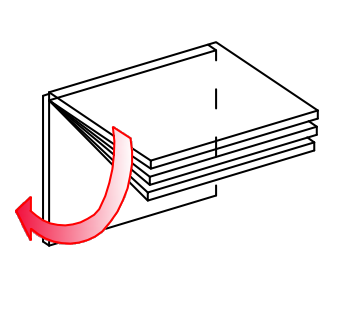
Rotary dampers can reduce the risk created by sudden, uncontrolled movement of appliance doors, lids, and panels by slowing their motion. They support a wider safety design; they do not replace guards, latches, sensors, or applicable safety compliance measures. Q1. Where can controlled motion help? A damper can make a refrigerator compartment door, washing machine […]
What Should Be Included in a Rotary Damper Test Plan?
A complete test plan should verify functional torque and motion time, endurance, temperature performance, leakage, mechanical integrity, corrosion resistance when relevant, and any customer-specific conditions. Q1. Which tests prove basic function? Measure damping torque at the agreed speed and direction, and measure motion or drop time using a fixture that represents the product. Define the […]
How Do You Select a Rotary Damper for Furniture?
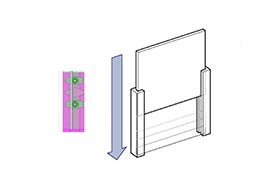
For furniture, select a rotary damper by checking torque, operating angle, installation space, mounting direction, environmental exposure, noise, cycle life, and whether damping is needed in one or both directions. Q1. What is the first calculation? Estimate the gravity-driven torque created by the moving door, lid, or flap. The weight, center-of-gravity location, pivot geometry, and […]
Should You Choose a Linear Damper or a Rotary Damper?
Choose a linear damper for straight-line movement and a rotary damper for hinged or rotational movement. The decision begins with the motion path, then continues with force or torque, space, environment, and durability requirements. Q1. What is the practical difference? A linear damper resists translation and is normally specified by damping force. It suits drawers, […]
When Should a Rotary Damper Be Customized for a Product Design?
Customize a rotary damper when a standard model cannot meet a critical requirement for fit, shaft interface, torque behavior, directionality, speed, integration, or operating environment. Use a standard model first whenever it can validate the mechanism quickly. Q1. Which elements can be customized? Common customization areas include the housing shape and size, shaft profile, mounting […]
How Does Damping Torque Affect Product Feel and Performance?
Damping torque determines how strongly a mechanism resists motion. Too little torque can allow slam, bounce, vibration, or noise; too much can make the product feel heavy and difficult to operate. Q1. How does torque change the user experience? Torque creates the resistance users feel when they open or close a mechanism. The right level […]
Do Temperature and RPM Change Rotary Damper Torque?
Yes. Temperature changes the viscosity of the damping medium, and rotational speed can change the resistance developed by a viscous damper. Select and validate torque over the full operating range, not only at a room-temperature rating. Q1. What happens when temperature changes? In a viscous damper, higher temperature generally lowers fluid viscosity and can reduce […]
What Information Is Needed to Recommend the Right Rotary Damper?
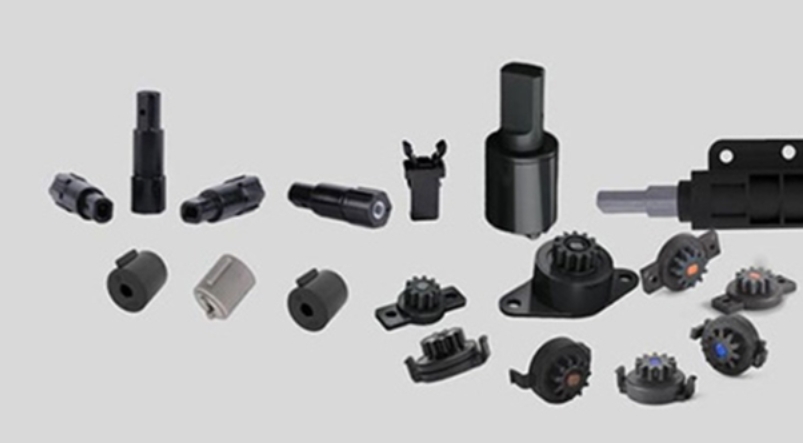
A reliable damper recommendation requires five groups of information: motion and user-experience goals, damping performance, mechanical fit, durability and materials, plus commercial or compliance constraints. Q1. What application details should be provided first? Describe what moves, how it moves, and what the user should feel. State whether the component is a lid, door, drawer assist, […]
How Should You Test Rotary Damper Durability?
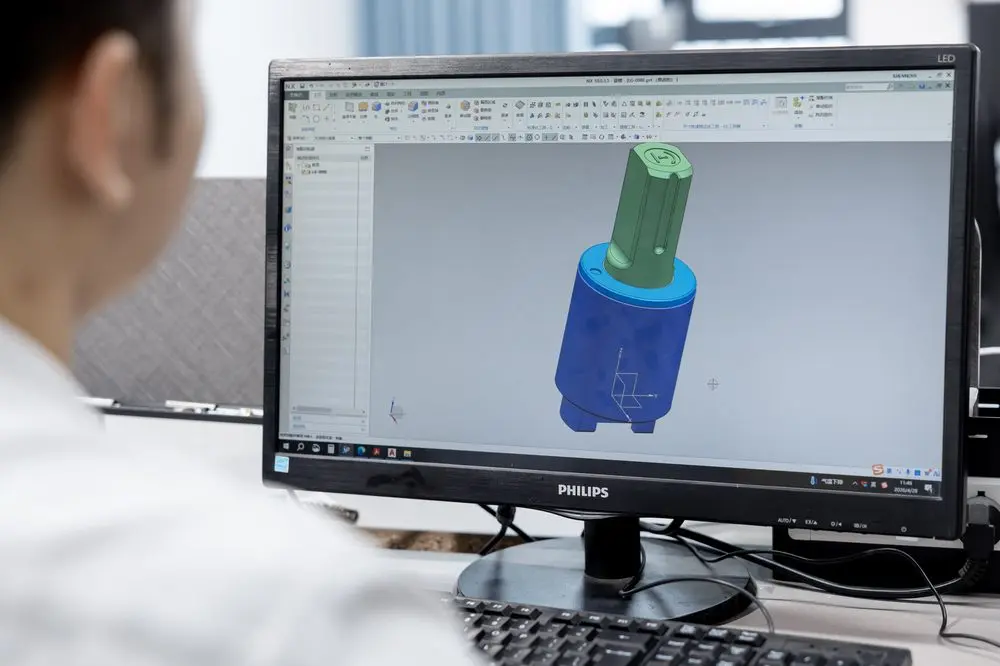
Test the damper through repeated cycles in a representative mechanism, then compare post-test torque, motion time, leakage, appearance, and operating smoothness with pre-agreed acceptance limits. Cycle count alone does not prove durability. Q1. What should an endurance test reproduce? The fixture should reproduce the real working angle, loading direction, mounting arrangement, and speed as closely […]
How Should You Choose Rotary Dampers for Car Fridges?
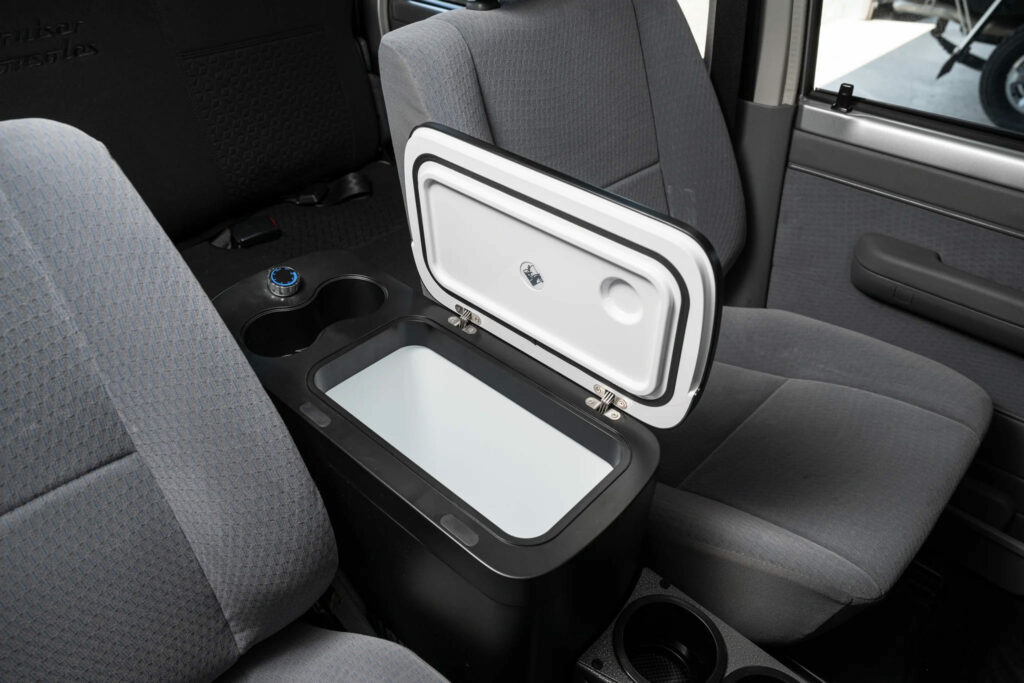
First identify the refrigerator structure and installation position, then specify the damper around actual door load, opening path, temperature exposure, vibration, noise, corrosion risk, packaging space, and expected operating cycles. Q1. Why does refrigerator type matter? A compact portable unit, a compressor-based unit, and an integrated vehicle refrigerator can have very different door weights, hinge […]